Advanced Automotive Real Estate: The Science of Parking Spot Selection
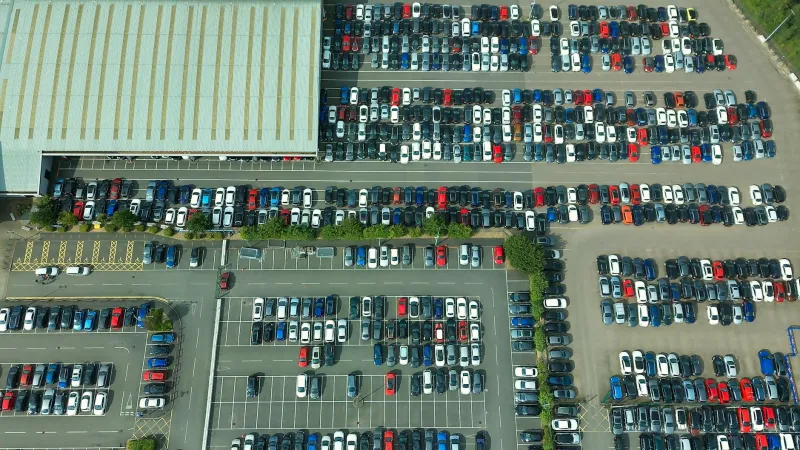
The Initial Reconnaissance
You pull into the parking lot with a simple mission: park your car and buy the three things you came for. But somewhere between the entrance and that first available spot, your brain transforms into a tactical command center analyzing variables that would make a Pentagon strategist proud.
That spot right there? Too close to the cart return. Sure, it's convenient, but those shopping carts are basically four-wheeled missiles guided by the chaos gods of suburban retail. The spot two rows back? Perfect distance from the store, optimal sun protection, but wait—is that person in the Honda Civic planning to back out? Better circle around just to be sure.
The Mathematical Nightmare
Suddenly you're calculating angles like you're landing a spacecraft. Door ding probability versus walking distance. Shade coverage weighted against proximity to the entrance. Whether that compact car sign is more of a suggestion than a law (your SUV is basically compact these days, right?).
You've now spent four minutes evaluating parking spots for a ten-minute errand. The rational part of your brain knows this is insane. The other 95% of your brain has committed to finding the Goldilocks of parking spaces—not too close, not too far, not too exposed to runaway shopping carts.
The Escalation Protocol
Then you see it. The perfect spot. Adequate shade, reasonable walking distance, protected by a concrete barrier on one side. You signal your intent with the universal parking lot language: the slow approach with your blinker on.
But wait. Someone else has spotted your prize. Now it's a standoff. Two vehicles, one spot, and the unspoken rules of parking lot etiquette hanging in the balance. Do you maintain your claim? Do you graciously yield? Do you pretend you weren't actually interested in that spot and were just, uh, checking your phone?
The Commitment Ceremony
You've chosen your spot. You've executed the approach. Now comes the precision parking—because after all that analysis, you can't just phone it in with a crooked park job. You're backing in (obviously, because backing out is for amateurs) while maintaining perfect distance from the lines.
One adjustment. Then another. The car behind you is probably wondering if you're performing some kind of automotive interpretive dance, but this is about principle now. You didn't conduct a full tactical assessment just to park like someone who doesn't respect the craft.
The Post-Game Analysis
Walking toward the store, you can't help but evaluate your choice. Was the extra thirty seconds of walking worth avoiding the cart return danger zone? Should you have taken that closer spot even though it meant risking door dings from the minivan with the "Baby on Board" sticker and the dent collection?
You realize you've spent more time thinking about parking than you will about most of your actual purchases. But hey, your car is safe, optimally positioned, and ready for a smooth exit. Mission accomplished.
The Return Journey
Twenty minutes later, emerging from the store with somehow seven items instead of three, you spot your car in the distance. It looks lonely but proud in its perfectly chosen spot. You made the right call.
Until you realize you've forgotten where you parked and spend another five minutes wandering around with your key fob raised like some kind of automotive divining rod.
Because that's the thing about parking lot strategy—no plan survives contact with the return trip.