The Footwear Philosophy: How Shopping for Gym Shoes Became Your New Identity Crisis
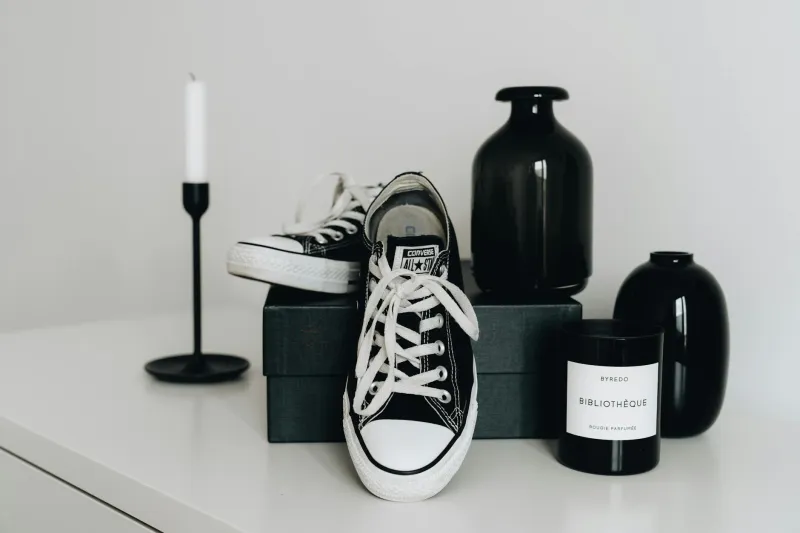
The Footwear Philosophy: How Shopping for Gym Shoes Became Your New Identity Crisis
Remember when buying shoes was simple? You walked into a store, tried on a few pairs, picked the ones that didn't hurt your feet, and walked out fifteen minutes later. Those were simpler times. Before you discovered the rabbit hole that is modern sneaker culture and somehow transformed from "person who needs new gym shoes" to "person who casually mentions retail drops at dinner parties."
The Innocent Beginning
It all started innocently enough. Your trusty gym shoes—the ones you'd been wearing for approximately three presidential terms—finally gave up the ghost. The sole was separating like a geological fault line, and even the most generous observer would describe them as "structurally compromised."
So you did what any reasonable adult would do: you decided to buy new ones. Simple, right? Just walk into any store and grab whatever looked comfortable and reasonably priced. What could possibly go wrong?
Everything. Everything could go wrong.
The Descent Into Madness
Somewhere between googling "best gym shoes 2024" and discovering that sneakers apparently have "drops" like they're the hottest new Netflix series, you crossed a line. Suddenly, you weren't just buying shoes—you were entering a world where people camp out for footwear and discuss "silhouettes" with the intensity of art historians.
Your browser history tells the story of your transformation: "What are Jordan retros" evolved into "Off-White collaboration resale value" faster than you can say "StockX authentication." You started following Instagram accounts dedicated entirely to shoelaces. You learned that some shoes cost more than your monthly car payment, and somehow, this seemed reasonable.
The Vocabulary Expansion
Within weeks, you were dropping terms like "deadstock" and "general release" into casual conversation like you'd been speaking this language your entire life. Your friends started looking at you funny when you referred to shoes as "heat" or casually mentioned that something was "sitting" on various websites.
You developed strong opinions about colorways you couldn't have identified two months ago. Suddenly, you had thoughts—passionate thoughts—about the difference between "Chicago" and "Bred" colorways. You found yourself explaining to your confused partner why certain collaborations were "grails" while others were just "okay for beaters."
The App Ecosystem
Your phone transformed into mission control for your newfound obsession. SNKRS app notifications became more important than actual text messages. You downloaded apps you'd never heard of: StockX for market research, Goat for authentication, and at least three different raffle apps because apparently, buying shoes now requires the same level of strategy as playing the lottery.
You started checking release calendars with the dedication of someone planning a military campaign. Tuesday became "SNKRS day," and you began scheduling your life around 10 AM ET drops like they were important business meetings.
The Spreadsheet Phase
This is when you knew you'd gone too far: you created a spreadsheet. Not for work, not for budgeting your actual necessary expenses, but for tracking shoe releases, retail prices, and resale values. You color-coded it. You included columns for "probability of hitting retail" and "acceptable resale price range."
Your spreadsheet had more detailed research than your college thesis. You found yourself cross-referencing historical data on similar releases and calculating potential return on investment for shoes you planned to actually wear. The irony was completely lost on you.
The Social Transformation
You started following sneaker Twitter. You joined Facebook groups with names like "Sneaker Deals and Steals" and "Authentic Jordan Legit Checks." You began participating in discussions about leather quality and manufacturing locations with people you'd never met, debating the merits of different factories like you were wine connoisseurs.
Suddenly, you had opinions about brands you'd never considered before. You developed a sophisticated understanding of Nike's relationship with Michael Jordan that would impress a sports historian. You could explain the difference between retro releases and original colorways to anyone unfortunate enough to ask.
The Rationalization Station
Every purchase came with an elaborate justification system. These weren't just shoes—they were investments. Cultural artifacts. Limited pieces of wearable art. You convinced yourself that paying $300 for sneakers was actually financially responsible because they'd "hold their value."
You started using phrases like "cost per wear" and "retail versus resale" to justify purchases that would have horrified your former self. The shoes sitting in their boxes, too precious to actually wear to the gym, somehow made perfect sense in your new reality.
The Final Form
Six months later, you're a completely different person. You have strong opinions about Jordan Brand's retro schedule and Nike's SNKRS algorithm. You can spot fake shoes from across a room and have legitimate concerns about "quality control issues" on recent releases.
Your original goal—replacing those beat-up gym shoes—has been completely forgotten. Those old sneakers are still sitting in your closet, still structurally compromised, while you wear $400 limited editions to work out, constantly worried about creasing them.
You've become the person who casually mentions that they "took an L on the Travis Scott drop" at office happy hours, watching as your coworkers' eyes glaze over with confusion and mild concern.
The Beautiful Irony
The most beautiful part of this entire transformation is that you still need actual gym shoes—comfortable, practical ones that you won't mind getting dirty. But now you can't just buy regular sneakers because you've developed standards. You need something that meets your newly sophisticated criteria while still being functional for its intended purpose.
So here you are, six months later, still shopping for gym shoes, but now with the expertise of a seasoned collector and the budget concerns of someone who's already spent way too much money on shoes they're afraid to wear.
Welcome to modern sneaker culture, where buying one pair of shoes is never just buying one pair of shoes. It's a lifestyle choice, an investment strategy, and a crash course in consumer psychology all rolled into one beautifully overpriced package.
Yep, that's a thing.