Ghost Driver: The Twenty-Two Minutes You Completely Disappeared from Your Own Life
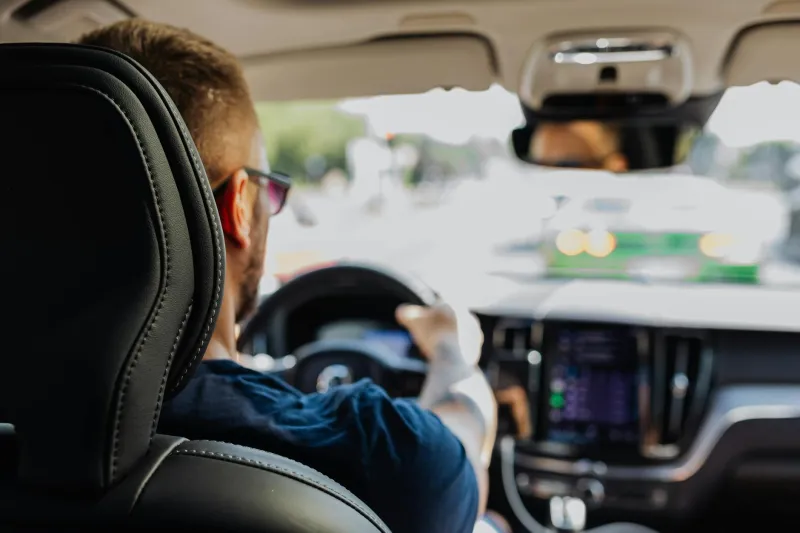
The Great Tuesday Disappearance
It's 8:47 AM and you're sitting in your office parking lot, keys in hand, staring at your car like it's an alien spacecraft that just deposited you here from another dimension. Twenty-two minutes ago, you were in your driveway. Now you're here. What happened in between is a complete mystery.
Did you stop at red lights? Probably. Did you use your turn signal? Your guess is as good as anyone's. Did you listen to music? There's a song stuck in your head, so evidence suggests yes, but you have no conscious memory of hearing it.
Welcome to the autopilot commute, where your body operates a two-ton vehicle while your mind is apparently on vacation.
The Missing Twenty-Two Minutes
Your brain has basically pulled a disappearing act worthy of David Copperfield. One minute you're backing out of your driveway, thinking about coffee, and the next minute you're here, thinking about coffee, with an entire commute that happened in some sort of consciousness void.
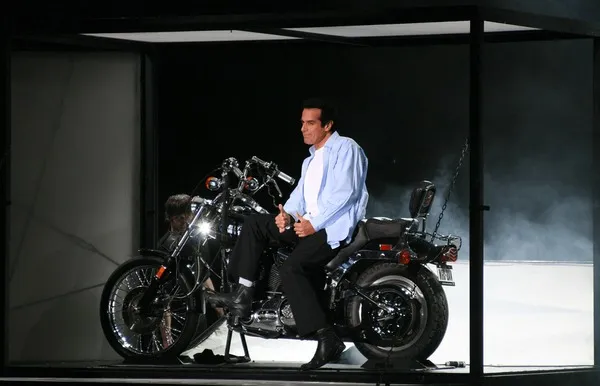 Photo: David Copperfield, via www.shutterstock.com
It's like your brain said, "You know what? I've done this route 847 times. I'm going to take a little break. Wake me when we get to work." And then it just... left. Went on strike. Decided to contemplate the meaning of life while your muscle memory handled the driving.
The scary part? Your muscle memory is apparently better at driving than your conscious brain. It navigated traffic, made decisions, probably judged other drivers' parking abilities, and delivered you safely to your destination while you were mentally reviewing last night's Netflix episode.
The Phantom Route Analysis
You try to reconstruct the journey like a detective investigating your own life. There's evidence: your car is here, so you obviously made it. Your gas tank is slightly lower, confirming that physics still applies. Your coffee cup is empty, suggesting you achieved your primary morning objective.
But the actual journey? Gone. Vanished. Your brain apparently decided that consciously experiencing your commute was about as necessary as consciously controlling your heartbeat.
You check your phone for clues. No texts sent while driving (good job, unconscious you). No missed calls. No evidence of road rage incidents. Unconscious you is apparently a very responsible driver. More responsible than conscious you, if we're being honest.
The Muscle Memory Takeover
Somewhere around the third month of driving the same route, your brain apparently filed it under "automatic functions" right next to breathing and blinking. It's like your commute got promoted to involuntary bodily function status.
Your hands know exactly when to turn the steering wheel. Your foot knows precisely how much pressure to apply to the brake at that one intersection where everyone stops too suddenly. Your brain knows to change lanes before the construction zone, even though construction ended six months ago.
You've become a commuting cyborg, operating on pure programming while your consciousness takes a little mental vacation. It's actually kind of impressive, in a slightly terrifying way.
The Tuesday Morning Existential Crisis
This raises some uncomfortable questions about consciousness and presence. If you can successfully navigate twenty-two minutes of life while completely mentally absent, how much of your life are you actually experiencing?
Are you present for your morning routine? Do you consciously choose your outfit, or does autopilot you just grab whatever's closest? When you brush your teeth, are you actually there, or is your mind already at work planning your day?
Come to think of it, do you remember yesterday's commute? Last week's? Last month's? They've all blended into one continuous stream of unconscious driving, punctuated only by the occasional construction detour that forces you back into awareness.
The Autopilot Advantage
But here's the thing: autopilot commuting might actually be a superpower. While conscious you is stressing about meetings and deadlines, unconscious you is efficiently handling the mundane task of transportation. It's like having a personal chauffeur who happens to be you.
Un conscious you never gets road rage. Never checks their phone at red lights. Never forgets to signal. Never takes the scenic route when you're running late. Unconscious you is the model citizen of morning traffic.
Meanwhile, conscious you gets to use those twenty-two minutes for important mental tasks like planning your lunch, rehearsing conversations, or wondering why you chose this particular life path.
The Return to Consciousness
The moment you arrive at work, consciousness floods back like someone just flipped a switch. Suddenly you're aware of everything: the temperature, the radio station, the fact that you're wearing mismatched socks (thanks, autopilot wardrobe selection).
You sit there for a moment, marveling at your brain's ability to just... check out. To trust muscle memory so completely that it handed over control of your entire morning commute to your subconscious.
It's like your brain has a time-share agreement with your body. "I'll take the evening shift for Netflix and overthinking, but mornings are all you, muscle memory. Try not to crash."
The Fitness Connection
This is basically mental fitness in action. Your brain has streamlined your routine so efficiently that it can run in the background like a well-optimized app. You've achieved peak commuting performance by removing the need for conscious thought.
It's the ultimate life hack: automate the boring stuff so your brain can focus on more important things, like wondering whether that weird noise your car made three weeks ago means you need a mechanic or if it was just your imagination.
Your commute has become a form of moving meditation, except instead of being mindfully present, you're mindfully absent. It's like the opposite of yoga, but somehow equally zen.
The Acceptance Phase
Eventually, you make peace with your autopilot existence. You start to appreciate unconscious you's reliability. They show up every day, handle the driving, get you to work on time, and never complain about traffic.
Conscious you and unconscious you have developed the perfect working relationship. It's like having the world's most competent roommate who happens to share your body.
You grab your coffee, head into the office, and start your conscious workday, secure in the knowledge that tomorrow morning, unconscious you will once again handle the commute while conscious you contemplates the important questions in life.
Yep, that's a thing. And honestly, it's probably the most reliable thing about your entire day.