Platform Panic: How Your Entertainment Budget Became a Full-Time Financial Planning Job
Remember when you had cable and complained about paying for channels you didn't watch? Well, congratulations—you've successfully recreated that exact problem, except now it requires a spreadsheet, three different passwords, and the organizational skills of a Fortune 500 CFO.
Welcome to the streaming economy, where you've somehow convinced yourself that managing seven different entertainment subscriptions is both financially responsible and a form of performance art.
The Great Subscription Shuffle
It starts innocently enough. You sign up for Netflix because, obviously, you need Netflix. Then HBO Max launches and suddenly you're missing out on the cultural conversation if you don't have it. Disney+ arrives and you tell yourself it's "for the kids" even though you don't have kids and spent last Tuesday watching The Mandalorian while eating cereal for dinner.
 Photo: The Mandalorian, via lumiere-a.akamaihd.net
Before you know it, you're rotating subscriptions like a seasoned hedge fund manager. "I'll cancel Hulu this month and pick up Apple TV+ to watch that one show everyone's talking about, then switch back next month." You've created a complex entertainment derivatives market in your living room.
The irony is that you now spend more time managing your subscriptions than actually watching anything. Your browser bookmarks look like a streaming service directory, and you've got calendar reminders set for "Cancel Peacock before free trial ends" with the same urgency you'd reserve for a dentist appointment.
The Password Archaeology Project
Each platform requires its own login credentials, naturally. You've got passwords scattered across every device you own, written on sticky notes that have achieved archaeological significance. There's the Netflix password from 2018 that still works somehow, the Disney+ login you shared with your sister (who shared it with her boyfriend, who shared it with his roommate), and that mysterious Paramount+ account that you're pretty sure you never signed up for but somehow have access to.
You've become a digital detective, constantly investigating which email address you used for which service. "Was it my work email or my personal email? Did I use my maiden name? Why did I think 'password123' was secure in 2019?"
The worst part is when you finally crack the code and log in, only to realize you've been paying for a service you forgot you had for the past four months. It's like finding money in your pocket, except in reverse—you've been accidentally funding someone else's binge-watching habit.
The Economics of Entertainment Anxiety
Here's where the math gets really fun. You convince yourself you're being financially savvy by canceling cable ($120/month) and going with streaming services instead. Cut to six months later and you're paying $83.94 across Netflix ($15.49), Hulu ($12.99), HBO Max ($14.99), Disney+ ($7.99), Amazon Prime ($14.99, but that's "for shipping"), Apple TV+ ($6.99), and Paramount+ ($9.99, because you needed to watch that one Star Trek show).
But wait, there's more! You've also got the premium Spotify subscription ($9.99) because ads are for peasants, and you're eyeing that Criterion Channel subscription ($10.99) because you're "getting into foreign films" now.
You've essentially recreated cable television, except now it's spread across seventeen different apps, requires forty-three different passwords, and somehow costs more than what you were paying before.
The Analysis Paralysis Theater
The real kicker is that with all these options, you've developed a peculiar form of entertainment paralysis. You spend twenty-seven minutes scrolling through Netflix, fifteen minutes on HBO Max, another twelve minutes on Hulu, only to end up watching The Office for the 847th time because decision-making is hard and Jim Halpert is comfort food for your brain.
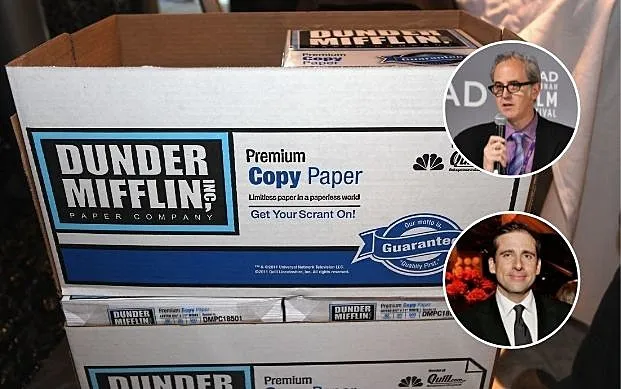 Photo: The Office, via townsquare.media
You've got access to more entertainment content than any generation in human history, and you're watching the same three shows on rotation like it's 1987 and you only get four channels.
The subscription shuffle has turned you into an entertainment day trader, constantly buying and selling access to content you may or may not actually consume. You're not just paying for shows—you're paying for the option to watch shows, which is somehow even more expensive than actually watching them.
The Monthly Subscription Roulette
Every month, you play a game called "What Am I Actually Using?" You log into your bank account, see charges for services you forgot existed, and enter a brief existential crisis about your relationship with entertainment.
"When did I sign up for Discovery+? What is Peacock and why am I paying for it? Did I really need access to every season of Top Chef, or was I just having a moment?"
 Photo: Top Chef, via entertainmentnow.com
You've become a subscription archaeologist, digging through your credit card statements like you're uncovering ancient civilizations. Each charge tells a story: the Paramount+ subscription from when you were really into Star Trek for three weeks, the Showtime add-on from that brief period when you thought you were sophisticated enough for premium television.
The truth is, you're not just paying for entertainment anymore. You're paying for the privilege of feeling like you have options, even if those options ultimately overwhelm you into watching the same comfort shows you've been cycling through since 2019.
Welcome to the future of television, where you've successfully turned relaxation into a part-time job that requires quarterly performance reviews and strategic planning sessions. At least your spreadsheet skills have never been better.