The Wallet Olympics: A Scientific Study of Checkout Line Psychology
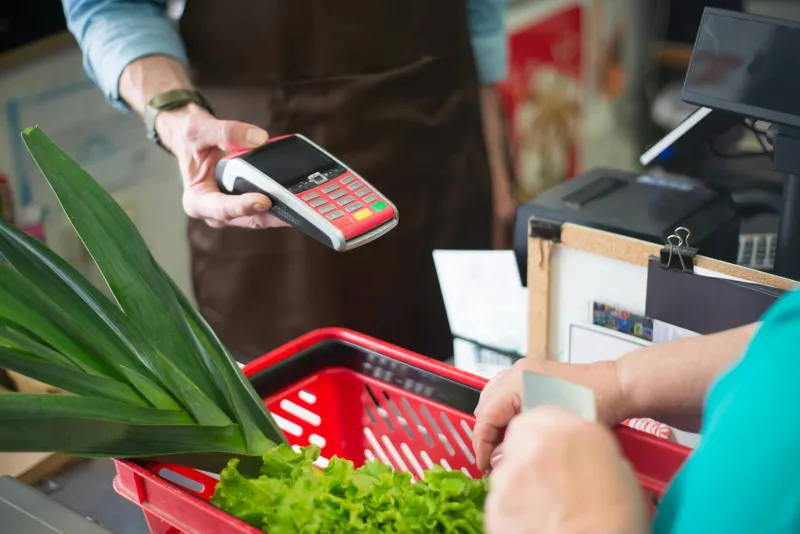
The Most Watched Sport in America
Forget the Super Bowl. The real championship happens every day at grocery stores across America, where ordinary people transform into psychological case studies the moment they hear those three magical words: "That'll be $47.83."
Welcome to the Checkout Line Olympics, where your payment method doesn't just complete a transaction—it broadcasts your entire life philosophy to everyone within a ten-foot radius.
The Wallet Archaeologist
First up, we have the person who treats the moment of payment like a complete surprise. Despite standing in line for twelve minutes, watching seventeen people ahead of them pay for groceries, they act like the concept of exchanging money for goods is a brand-new invention.
The total appears on the screen. They blink. They look around. They slowly reach for their back pocket like they're defusing a bomb. Then comes the excavation—a wallet so stuffed with receipts, expired coupons, and business cards from 2019 that it takes actual archaeology to find a credit card.
Cashiers have developed a special look for this customer. It's the same expression archaeologists get when they realize they've just found a 3,000-year-old piece of pottery that's going to take six months to properly catalog.
The Exact Change Enthusiast
Then there's the person who heard somewhere that paying with exact change is polite and decided to make it their entire personality. They've been counting coins since the Carter administration, and by God, they're going to use every single one.
Out comes a coin purse the size of a small suitcase. They dump the entire contents onto the counter like they're panning for gold. The line behind them grows restless. Children age into adults. Seasons change. But they're going to find those three pennies if it kills them.
The cashier starts making that face—you know the one. It's the same expression people make when they realize they've accidentally signed up to help someone move and it's going to take all weekend.
The Contactless Payment Evangelist
On the opposite end of the spectrum, we have the tap-to-pay purist. They've achieved payment enlightenment and want everyone to know about it. They approach the card reader like they're performing surgery—precise, confident, slightly judgmental of anyone still living in the Stone Age of chip insertion.
Tap. Done. They look around expectantly, waiting for applause that never comes. When the person behind them inserts their chip card, the tap-to-pay evangelist sighs loud enough to register on seismic equipment. They might as well be wearing a t-shirt that says "I'm from the future and you're all embarrassing."
The App Loyalty Maximizer
But wait, there's more. Enter the person who has seventeen different store apps and is determined to extract maximum value from every single one. They're scanning barcodes, checking digital coupons, earning points, redeeming rewards, and generally treating a simple grocery transaction like they're day-trading cryptocurrency.
"Hold on, I think I have a coupon for Greek yogurt," they announce, scrolling through their phone with the intensity of someone diffusing a nuclear device. The line behind them starts to resemble a small refugee camp.
The cashier develops what retail workers call "app fatigue"—a thousand-yard stare that comes from watching someone spend four minutes trying to save thirty-seven cents on hummus.
The Split Payment Mathematician
"I want to put $23.16 on this card, $15.00 on cash, and the rest on this other card," announces the person who apparently majored in Making Simple Things Complicated. They've turned grocery shopping into advanced calculus, and everyone else is forced to audit their class.
The cashier's soul leaves their body. Somewhere in corporate headquarters, a computer system starts crying. The person behind them in line begins questioning their life choices that led them to this exact moment.
The Digital Wallet Philosopher
Then there's the person who's fully committed to living in the future but forgot to bring their phone charger to the present. They confidently approach the payment terminal, phone in hand, ready to demonstrate the marvels of modern technology.
Beep. Nothing happens.
Beep. Beep. Still nothing.
"My phone's dead," they announce, like they've just discovered fire. Now they're digging through pockets, looking for the ancient plastic rectangle they swore they'd never need again.
The Silent Judgment Olympics
Meanwhile, cashiers have developed an entire psychological profiling system based on payment methods. They can tell your life story from how you handle the moment of truth. The fumbler? Probably forgot to eat lunch. The exact change person? Definitely has strong opinions about how things used to be better. The app enthusiast? Their screen time report would make a therapist weep.
The contactless evangelist? They're the same person who corrects your grammar in group texts and knows exactly how long it takes to hard-boil an egg.
The Real Championship
But here's the thing: we're all competing in this championship whether we want to or not. Every checkout line is a tiny theater where we perform our relationship with money, technology, and basic social awareness.
The real winners? The people who realize that everyone's just trying to buy groceries and get home to pretend they're going to cook all that fresh produce before it goes bad.
Because at the end of the day, whether you tap, insert, count coins, or sacrifice your phone battery to the retail gods, you're still going to get home and eat cereal for dinner while standing in your kitchen.
Yep, that's a thing.