The Literary Masterpiece Living in Your Drafts Folder: A PhD Thesis on Sending 'Hey'
The Great American Novel You'll Never Send
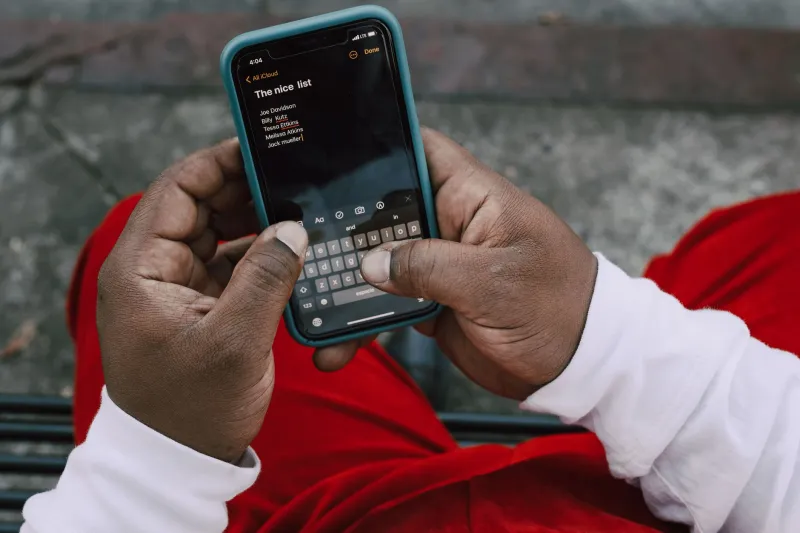
Somewhere in your phone's drafts folder lies the greatest piece of literature never published. It's not a novel, a poem, or even a grocery list. It's a text message to your friend asking if they want to grab lunch. You started writing it Tuesday. It's now Thursday.
You are not alone in this struggle. Across America, millions of people are engaged in the same literary pursuit: crafting the perfect casual message that somehow requires the precision of a Supreme Court brief and the emotional intelligence of a grief counselor.
 Photo: Supreme Court, via i.etsystatic.com
Chapter One: The Opening Line Crisis
It begins innocently enough. You want to text Sarah about lunch plans. Simple, right? Wrong. The cursor blinks mockingly as you contemplate your opening strategy.
"Hey Sarah!" Too enthusiastic. You're not a golden retriever.
"Hey Sarah." Too formal. You're not her boss.
"Hey girl!" Too millennial. You're not an Instagram influencer.
"Sarah," No greeting at all? You're not a telegram from 1942.
Fifteen minutes later, you've written and deleted seventeen different greetings, each one somehow more wrong than the last. You're beginning to question not just your messaging abilities, but your fundamental understanding of human communication.
The Emoji Apocalypse
Just when you think you've nailed the greeting, the emoji selection process begins. This is where things get truly psychological.
The smiley face emoji seems friendly but might come across as fake. The slightly-smiling emoji is more genuine but could be interpreted as passive-aggressive. The winking emoji is definitely too flirty for a lunch invitation unless you're trying to turn Tuesday's turkey club into something more complicated.
You spend twenty-seven minutes analyzing the emotional implications of various yellow circles. You consider the laughing-crying emoji but realize you haven't said anything funny yet. You contemplate the thinking face emoji but worry it makes you look indecisive, which, let's be honest, you absolutely are right now.
Eventually, you delete all emojis. This is serious business. This is lunch coordination, not a middle school yearbook signing.
The Punctuation Philosophy Department
Now comes the punctuation crisis that would make your high school English teacher weep with pride and confusion. Every period, comma, and exclamation point carries the weight of your entire social reputation.
A period after "Want to grab lunch" sounds angry. You're not angry about lunch. Lunch is great. You love lunch.
No punctuation makes you sound casual, but maybe too casual? Like you don't care about lunch etiquette or proper sentence structure?
An exclamation point shows enthusiasm but might suggest you're desperately lonely and this lunch invitation is the highlight of your entire month, which it definitely is, but Sarah doesn't need to know that.
You settle on no punctuation, then add a period, then delete it, then add it back. Your text now has the revision history of a congressional bill.
The Great Overthinking Olympics
By day two of this composition process, you've entered advanced psychological warfare with yourself. You're not just writing a text message anymore; you're crafting a piece of communication that will define your friendship, your social skills, and possibly your entire identity as a human being.
You start researching. What's the optimal response time for casual lunch invitations? Should you mention a specific restaurant or let her choose? If you suggest a place, does that make you controlling? If you don't, does that make you indecisive?
You consult your message history with Sarah, looking for patterns in your previous successful communications. You analyze response times, emoji usage, and conversational tone like you're preparing for diplomatic negotiations.
The Minimalist Revelation
After forty-eight hours of literary agony, you achieve a moment of zen-like clarity. You delete everything. All the carefully crafted sentences, the emoji experiments, the punctuation philosophy. You're going full minimalist.
You type: "Lunch tomorrow?"
It's perfect. It's simple. It's direct. It communicates exactly what you want without unnecessary emotional baggage or social complexity. You hover over the send button, feeling like a literary genius who has discovered the beauty of simplicity.
You hit send.
The Four-Second Response That Destroyed Your Soul
Your phone buzzes immediately. Sarah has responded in the time it took you to blink.
"k"
Not "okay." Not "sounds good." Not even "yes." Just "k."
You stare at this single letter that somehow contains less emotional energy than a grocery store receipt. This is what your two-day creative writing workshop produced. This is your audience feedback.
You want to analyze this response with the same intensity you brought to crafting your message, but you realize something profound: Sarah probably spent exactly zero seconds thinking about this exchange. She saw your message, thought "yes, lunch sounds fine," and typed the first letter that came to mind.
The Philosophical Aftermath
As you sit there contemplating the cosmic injustice of communication, you realize you'll probably do this exact same thing next week when you want to ask Mike about weekend plans. Because somewhere deep in your brain, the part responsible for text message composition has convinced itself that every casual message is actually a high-stakes social performance that requires the precision of a Swiss watchmaker and the emotional intelligence of a therapist.
Your drafts folder remains full of unfinished masterpieces, each one a testament to the beautiful absurdity of modern human connection. And honestly? That's probably exactly how it should be.
Because if we all just sent "lunch tomorrow?" without forty-eight hours of psychological preparation, what would we do with all that creative energy? Probably something productive, which is absolutely not the point.