The Half-Second of Pure Terror Before You Greet Someone You Kinda Know
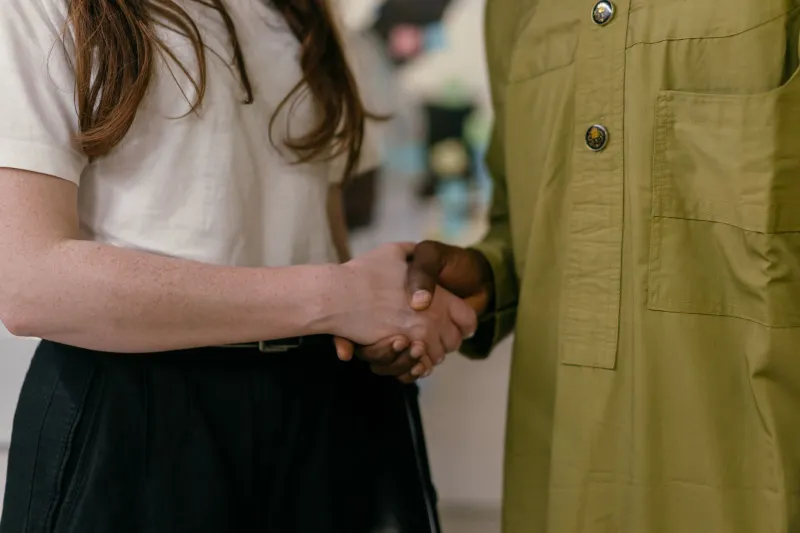
You see them from twelve feet away. Your brain registers: person I know. Your body begins preparing a greeting. And then, in the approximately 0.4 seconds before you make contact, the entire operation collapses into chaos.
Handshake? No, that feels weirdly formal. Hug? You've met them twice. Fist bump? You are not a person who fist bumps. Wave? You're too close for a wave. High five? Absolutely not. Do nothing and just smile? You've done that before and it went badly.
You arrive. You do something. You're not sure what. It involved your right arm, some shoulder movement, and a sound that was close to "hey." They did something back. It matched yours at roughly 60%. You both laughed briefly, which is the universal signal for "we have agreed never to discuss what just happened."
Welcome to the American greeting crisis. Population: everyone.
Yep, that's a thing.
A Brief History of a Problem We Made Worse
For most of recorded American social history, the handshake was the answer. Firm, neutral, universally applicable. It communicated respect without implying friendship. It was the khaki pants of greetings: not exciting, but reliable.
Then several things happened simultaneously. Casual culture arrived and the handshake started feeling stiff. The fist bump emerged, mainly in sports, and slowly migrated into everyday life. The side hug became acceptable for people who were friends but not hug friends. And somewhere in the mid-2010s, the half-handshake-half-fist-bump hybrid appeared, which is when things truly started unraveling.
By 2019, the average American was operating with at least six possible greeting protocols and no clear decision tree for selecting among them. The variables included: relationship closeness, setting formality, gender dynamics, regional customs, and whether you'd seen the person recently enough that a hug felt warranted but not so recently that any greeting felt excessive.
And then 2020 happened.
The Pandemic Variables Nobody Has Fully Processed
COVID did not solve the American greeting problem. It suspended it, briefly, by removing all physical contact from the menu and replacing it with a wave from six feet away that everyone agreed was fine. For about fourteen months, the wave was the answer. It was peaceful. It was clear. It required no negotiation.
Then restrictions lifted and we all had to go back to figuring it out, except now we had additional variables that didn't exist before:
The elbow bump — introduced as a temporary alternative, now apparently a permanent option that nobody officially retired.
The pre-greeting verbal disclaimer — "I'm a hugger, is that okay?" — which is thoughtful and correct but adds a negotiation phase to what was already a stressful transaction.
The shoulder pivot — a move where one person leans in for a hug while the other extends a hand, resulting in a collision that requires both parties to physically reset and try again from a neutral position.
The double apology — where both people apologize simultaneously for the failed greeting, which creates a second, smaller social crisis layered on top of the first one.
Post-pandemic, the American greeting now has more variables than a flight cancellation rebooking process, and roughly the same success rate.
The Specific Calculations Your Brain Runs in 0.4 Seconds
Let's be honest about what's actually happening in that half-second window. Your brain is not casually selecting a greeting. It is running a rapid-fire threat assessment that would impress a military logistics team.
First: relationship tier. Work acquaintance? Social friend? Friend-of-a-friend you've been introduced to at least three times but whose name you keep looking up? Each tier carries different physical contact expectations, and misreading the tier is a social felony.
Second: setting. A backyard barbecue reads differently than a work conference, which reads differently than a chance encounter in a Trader Joe's parking lot. The parking lot encounter is its own special nightmare because neither party is prepared, and one of you is holding a bag of groceries, which removes an entire arm from the available greeting options.
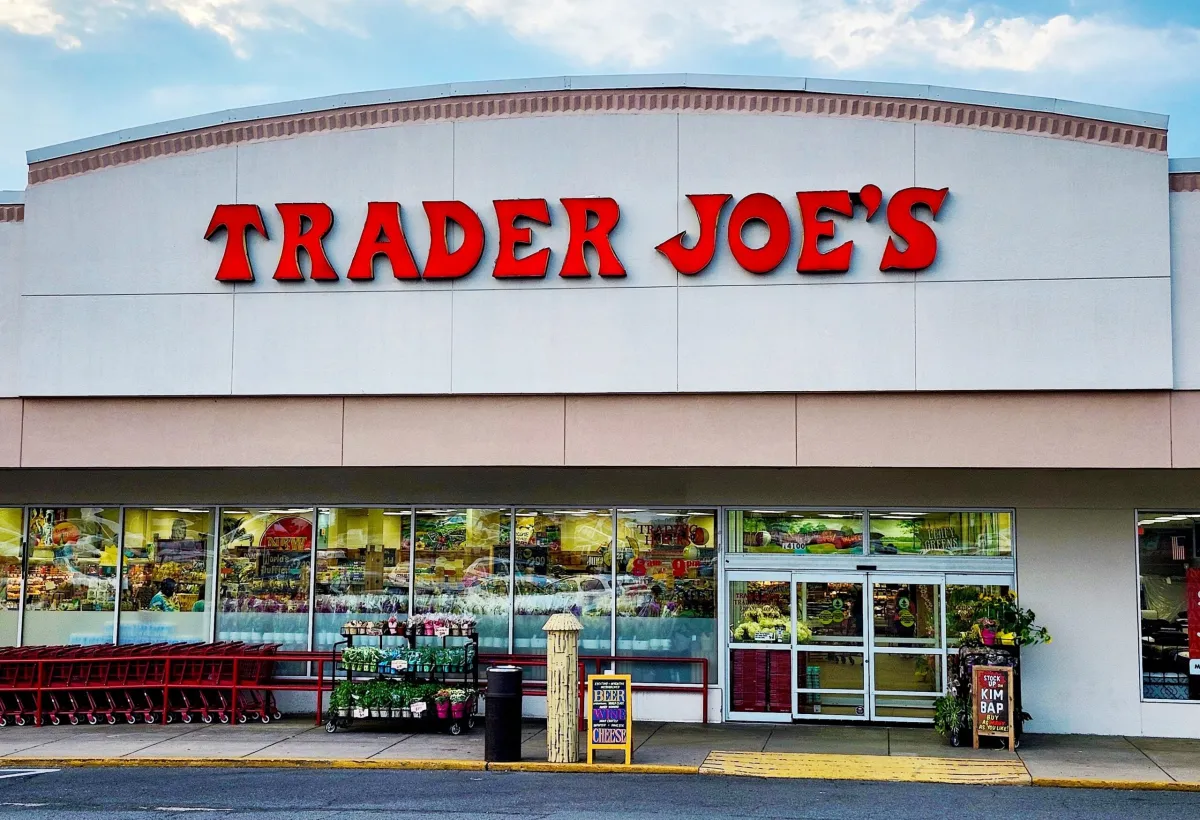 Photo: Trader Joe's, via thecoconutmama.com
Third: what did they do last time? If you hugged goodbye at the last event, are you now hug-committed? Is that a relationship-level you've permanently unlocked? What if you were both a little more relaxed that night? Does the hug carry over into a Tuesday morning?
Fourth — and this is where it all falls apart — what are they initiating? Because if you can read their body language in time, you can mirror it and everything resolves cleanly. But if you both try to read each other simultaneously, you both hesitate, and the hesitation itself becomes a problem that requires its own resolution.
You arrive. Something happens. You both laugh. You move on.
The Aftermath, Which Is Also a Problem
The greeting is over. You survived. But now there is a brief window — roughly three to eight seconds — where you both process what just happened and decide whether to acknowledge it.
Most people choose not to acknowledge it. This is the correct choice. You simply pivot to "how are you" and let the greeting incident dissolve into the ambient noise of human interaction.
But occasionally, someone says "sorry, I didn't know if we were doing a hug thing" — and now you are discussing the greeting, which extends the discomfort by approximately two minutes and forces both parties to retroactively assign meaning to a physical interaction that honestly didn't have any.
You say something reassuring. They say something reassuring. You have now spent more time discussing the hello than you will spend on the actual conversation.
Four minutes later, you see someone else you vaguely know walking toward you from across the room.
Your brain begins preparing.
Yep, that's a thing.