Retail Robbery Accusations: When Buying Groceries Becomes a Criminal Investigation
The False Promise of Independence
Self-checkout was supposed to be the future. Quick, efficient, autonomous grocery shopping for the modern American who doesn't have time to wait in line behind someone paying for a single banana with exact change. You'd scan your items, tap your card, and waltz out of the store like some kind of retail superhero.
Instead, you've entered a technological thunderdome where every purchase becomes a battle of wills between you and a machine that has already decided you're probably a criminal.
The machine doesn't trust you. The scale doesn't trust you. The camera mounted above your station definitely doesn't trust you. You haven't even scanned your first item yet, and you're already under surveillance by a system that treats every customer like a potential mastermind of produce theft.
The Bagging Area Conspiracy
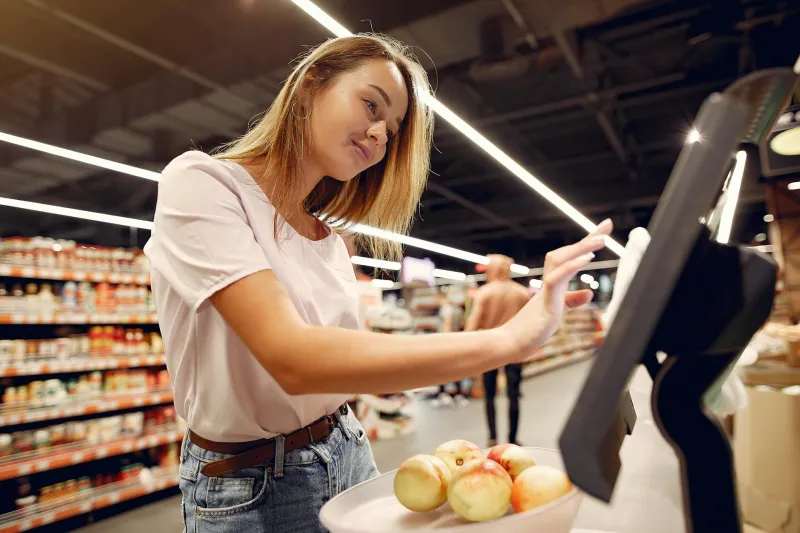
Everything starts falling apart the moment you place your first item in the bagging area. That innocent bag of apples that you just scanned? The scale has never seen anything like it. According to the machine's calculations, those apples either weigh nothing at all or approximately forty-seven pounds, and both options are clearly evidence of fraud.
"Unexpected item in bagging area," announces the robot voice at a volume that ensures everyone within a three-aisle radius knows about your alleged grocery crimes. The machine has essentially just accused you of smuggling contraband produce, and now you're standing there like a defendant waiting for your case to be called.
You try removing the bag and placing it again, hoping maybe the scale was just having a moment. But no, the machine doubles down on its accusation. You're clearly running some kind of sophisticated apple-weighing scam, and it's not going to be fooled by your amateur criminal techniques.
The Produce Code Nightmare
God help you if you brought any loose vegetables to this technological courtroom. Those bananas don't have a barcode, which means you need to navigate a digital menu that was apparently designed by someone who has never seen actual food before.
Is your onion a "Yellow Onion," a "Sweet Onion," or a "Yellow Sweet Onion"? Are these limes or small lemons? Is there a meaningful difference between "Red Delicious Apples" and "Organic Red Delicious Apples" that could affect your legal standing in this transaction?
You're scrolling through seventeen different varieties of potato while a line forms behind you, each person in that line silently judging your inability to properly identify basic vegetables. The machine is waiting. The scale is waiting. Your fellow shoppers are waiting. Everyone is waiting for you to prove you know what a tomato is.
The Weight Discrepancy Interrogation
Finally, you find "Bananas" in the digital produce catalog and place your bunch on the scale. But wait – the machine has detected a weight discrepancy. According to its calculations, your bananas should weigh exactly 1.2 pounds, but the scale reads 1.23 pounds.
Those extra .03 pounds might as well be a smoking gun. You're clearly trying to steal three cents worth of banana, and the machine is not having it. The red light above your station starts flashing like you've just triggered a bank alarm, and everyone in the store now knows that you're the person who can't even buy fruit without causing a scene.
You try adjusting the bananas on the scale, maybe removing one from the bunch, hoping to hit that magical weight that will satisfy the machine's impossibly precise requirements. But every adjustment just makes things worse, like you're playing some kind of produce-based shell game that you're definitely losing.
The Attendant Summoning Ritual
Eventually, the machine gives up trying to work with you and calls for backup. "Help is on the way," it announces, which somehow sounds more ominous than helpful. You're now officially a self-checkout failure case, standing there with your problematic bananas while waiting for human intervention.
The attendant approaches with the weary expression of someone who has seen this exact scenario play out forty-seven times today. They swipe their magic card, press some buttons, and suddenly your bananas are acceptable again. The machine that was convinced you were running a fruit-based criminal enterprise now cheerfully accepts your purchase without question.
You want to ask what they did differently, but you also want to maintain whatever dignity you have left, so you just nod gratefully and continue with your transaction like you haven't just been publicly defeated by a banana.
The Alcohol Authentication Theater
If you're buying anything that contains alcohol – beer, wine, or even vanilla extract – you've just activated the machine's most dramatic security protocol. The screen flashes red, sirens might as well be going off, and the robot voice announces to the entire store that you're attempting to purchase controlled substances.
Now you're waiting for an employee to walk over and verify that you are, in fact, old enough to buy a bottle of wine, even though you're clearly thirty-five and have been legally purchasing alcohol for over a decade. But the machine doesn't care about your obvious adulthood – it needs official human confirmation that you're not some kind of sophisticated teenage wine thief.
The employee glances at your ID for approximately half a second, types something into their device, and suddenly you're cleared to purchase your Thursday night Chardonnay. The machine that was convinced you were running an underage drinking operation now trusts you completely.
The Coupon Catastrophe
Bringing a coupon to self-checkout is like bringing a knife to a gunfight. The machine has no idea what to do with your perfectly valid 50-cents-off coupon for the cereal you just scanned. According to its programming, coupons are either mythical objects that don't exist or elaborate forgeries designed to defraud the grocery industrial complex.
You try scanning the barcode on your coupon, but the machine just stares at you blankly, like you're trying to pay with Monopoly money. The red light starts flashing again. The attendant gets summoned again. Everyone in line behind you starts audibly sighing, and you begin to question whether saving fifty cents was worth becoming a public spectacle.
The Payment Processing Panic
Finally, you've scanned everything, resolved all the weight discrepancies, proven your age, and convinced the machine that you're not running a sophisticated grocery theft operation. Time to pay and escape this technological nightmare.
But your card gets declined. Not because you don't have money, but because the machine's card reader has decided your perfectly valid debit card is suspicious. Maybe you inserted it too quickly. Maybe you didn't insert it quickly enough. Maybe the machine just doesn't like the cut of your jib.
You try again, and this time it works, but not before the machine has made you question your entire financial existence. Was that card actually valid? Do you actually have money in your account? Are you actually a real person, or just some kind of grocery store phantom trying to steal imaginary food?
The Receipt Paper Rebellion
Just when you think you've successfully completed your transaction, the receipt printer decides to stage its own little rebellion. It either prints seventeen copies of your receipt or refuses to print anything at all, leaving you with no proof that you've actually paid for your groceries.
Now you're standing there with a bag full of items you technically own but can't prove you purchased, wondering if the security guard by the door is going to demand to see the receipt you don't have for the transaction the machine may or may not have processed correctly.
You grab whatever paper the printer has managed to produce – even if it's just a fragment with your total amount and the store logo – and make your escape, walking past the staffed checkout lines where normal people are having pleasant interactions with actual human beings who understand that sometimes bananas weigh slightly more or less than expected.
The Walk of Technological Shame
As you finally head toward the exit, you can't help but notice the employees at the regular checkout counters, efficiently scanning items and bagging groceries without any weight-related drama or produce identification crises. They're having actual conversations with their customers, processing coupons without calling for backup, and somehow managing to sell alcohol without triggering a store-wide security alert.
You realize you've spent twenty-three minutes buying eight items, been accused of multiple forms of grocery fraud, required human intervention four separate times, and somehow still managed to forget to scan the pack of gum you're definitely going to get charged for when the security cameras review the footage.
Next time, you tell yourself, you're just going to wait in line like a normal person. But you know that next week, when you see that empty self-checkout station beckoning you with its promise of convenience and independence, you'll probably try again.
Because apparently, you're an optimist who believes that maybe, just maybe, this time the machine will trust you enough to let you buy groceries without a full criminal investigation.